Film · 5 min 50 s · Sound on
The book’s argument, in three parts
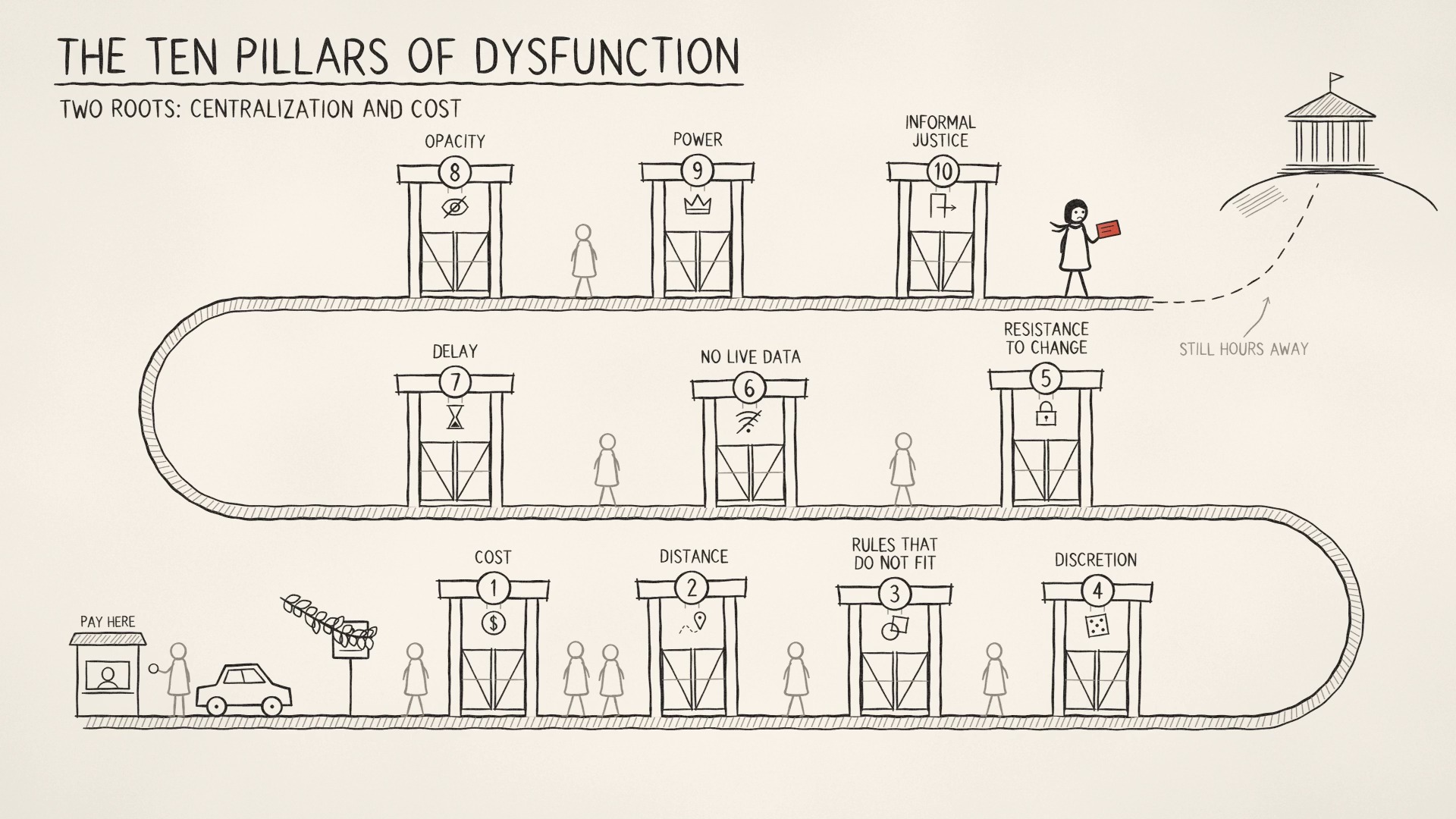
A parking ticket, an oak tree, and six questions for any redesign. The three parts, how it was made, and the page of the book for every line are on the film’s own page.

Available Now · Print, Ebook & Audio
Law in the Age of Artificial Intelligence
AI will transform law.
It will not automatically produce justice.
Superjustice is about how we can build law for human flourishing.
For judges, policymakers, legal scholars, law firm leaders, educators, technologists, and anyone thinking seriously about the future of justice.
Or choose your format and seller
All formats and sellers →All three editions are available now: hardcover, ebook, and audio. The complete online edition is also live at Oxford Academic for institutional readers.
Film · 5 min 50 s · Sound on
A parking ticket, an oak tree, and six questions for any redesign. The three parts, how it was made, and the page of the book for every line are on the film’s own page.
Justice delayed is justice denied. Courts are backlogged, legal help is out of reach for billions, and rigid rules struggle to keep pace with modern life. Superjustice argues for redesigning that system rather than digitizing it: law as a dynamic, responsive framework built for human flourishing, in which
Neither utopian fantasy nor dystopian warning. The book carries the argument through to implementation: what has to change in legal education, in professional roles, and in institutional structure to make justice abundant rather than scarce.
One of the book’s concrete designs, offered to be argued with: publicly provided AI legal agents, a right on the model of the public defender, paired with an automatic balancing mechanism under which any party deploying sophisticated AI representation against an unrepresented opponent must ensure comparable representation for that opponent. The proposal, and the objections to it.
A follow-up collection, Beyond Superjustice, is in preparation: new papers responding to each chapter of the book and carrying its analysis forward, with a workshop in Hong Kong and a symposium in Toronto in 2027.
Before then, the Jerusalem Review of Legal Studies is convening a symposium on the book, with five commentators, at Bar-Ilan University on 29 December 2026; their contributions are planned for publication in the journal.
Read the full argument, contents, and hard parts →In the press 11
Upcoming events 11
Most recent: University of Amsterdam, 12 November 2026, a conference keynote by Benjamin Alarie. First held: Korea University, 16 September 2026, presented by Samuel I. Becher.
Full schedule through June 2027 →The complete Introduction is an open-access download on SSRN. It maps the whole argument in a few minutes of reading.